
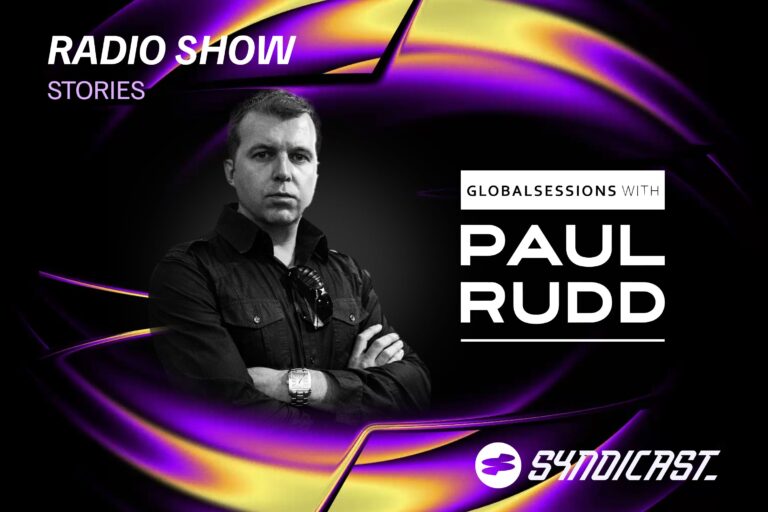
Welcome to Syndicast Stories, a series highlighting the artists, record labels, and syndicated radio show hosts who consciously use radio as a fundamental part of their global growth strategy. Each week we speak to people involved with the success story.
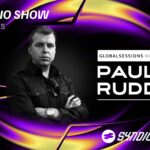
In this edition of Syndicast Stories, we sit down with Paul Rudd, an international DJ, producer, songwriter, and the driving force behind Globalsessions. What began in 2011 as a single weekly radio show in Cyprus has scaled into a global syndication powerhouse, broadcasting on over 165 stations across 50 countries, reaching an estimated weekly audience of over one million listeners.
More than just a mix show, Rudd’s platform achieved a major milestone earlier this year when he became the official host and voice of the WARM Global Dance Top 20-an international chart show compiled by Worldwide Audio Radio Track (WARM), syndicated globally via Syndicast, and published weekly by Billboard.
In this feature, we deconstruct the blueprint behind Globalsessions. We explore the transition from manual, custom-tailored station deliveries to automated global scaling, examine why radio continues to hold a unique cultural value over predictive algorithms, and discuss how centralized distribution allows independent brands to scale smarter.
Artist Profile: Paul Rudd (Globalsessions)
- Active Since: 2011
- Base Location: United Kingdom / International
- Core Flagship Programmes: Globalsessions | Official Host of the WARM Global Dance Top 20 Chart
- Broadcast Footprint: 165+ stations across 50+ countries
- Estimated Weekly Audience: 1,000,000+ active listeners
- Industry Directives: Weekly chart data compiled by WARM and indexed by Billboard Show
Tell us about Globalsessions – how did it start, what’s the concept, and what makes it different from everything else out there?
Paul Rudd: Globalsessions actually started in a very different way to how people probably imagine. Back in 2011, I was spending a lot of time in Cyprus producing music. My executive producer lived out there, I had a large group of friends there, and I used to travel over regularly. There was a local radio station looking for a dedicated dance music show, so I started making a weekly programme for them every Saturday night.
At that point, it was literally one station. I would produce the show each week, send it over and that was it. That’s where the name Globalsessions first came from.
After about a year, a couple of other stations became interested in carrying the show as well. Back then, every version was custom-made for each station. I’d re-record the links, change the jingles and adapt the production depending on who it was for. It was all very hands-on and very grassroots.
At the same time, my own music career was developing. I started releasing singles, touring internationally and spending more time producing music, so the radio show naturally took a bit of a back seat for a while.
Then around 2017, I brought the show back properly and started rebuilding it again from the ground up. I began reconnecting with labels, producers and stations I’d worked with previously and slowly started growing the syndication side again.
The real turning point came after a conversation with a friend while we were on holiday. He had a small local radio show himself and basically said to me, “I’m sure you could get this on far more stations if you really pushed it properly.” That conversation genuinely stuck with me.
That’s when I decided to fully overhaul the show. I invested in completely new production, refreshed the branding, rebuilt relationships across the industry and really committed to developing Globalsessions into a serious international syndicated programme. I then started working closely with Syndicast around 2022/2023, and that helped take the show to another level globally.
What makes Globalsessions different now is that balance between high-level syndicated radio and authenticity. The music always comes first, but there’s still a real personality behind it. I spend a huge amount of time every week listening through promos and reacting to the records that genuinely stand out to me.
I’ve always loved supporting new music and emerging artists alongside established names. Some of the best moments come from playing tracks from producers people haven’t heard of yet and then watching those records grow over time.
The guest mix side of the show has also become a major part of the brand. For our 150th episode, we welcomed Joel Corry for a special guest mix, which was a huge moment for the show given his international success. Then for our 200th show, we featured Eddie Craig from Wideboys. Eddie is a genuine pioneer of the garage scene, hosts a weekly show on Kiss and continues to tour internationally, so having him involved was a real honour.
How has the show evolved over time, and where is it today in terms of reach and audience?
The growth has honestly been incredible to watch. What started as a single dance show made for one radio station in Cyprus has now grown into a globally syndicated programme broadcasting across more than 165 stations in over 50 countries every single week, reaching an estimated audience of more than one million listeners weekly.
The production side has evolved massively too. The imaging, sound design, branding and presentation are far more refined now, but the core identity has stayed exactly the same from day one: quality dance music, consistency and credibility.
Every year the show seems to grow again, which is exciting to see. The audience has expanded globally, but what’s important to me is that the show still feels genuine and connected to the music culture it came from originally.
In today’s digital landscape, why is radio still a powerful and relevant medium for you?
I actually think radio matters now more than many people realise. We live in a time where people have unlimited access to music, but that also creates overload. Algorithms can recommend tracks, but they can’t replace personality, trust or human connection.
Radio still creates moments. A great radio show takes listeners on a journey. It creates energy and atmosphere in a way playlists often can’t replicate. There’s also still something incredibly powerful about thousands of people around the world hearing the same records at the same time. That shared experience still matters.
Radio also remains hugely influential globally when it comes to breaking music and supporting artists. People sometimes underestimate just how important international radio still is within the industry. That’s one reason why becoming the official host and voice of the WARM Global Dance Top 20 earlier this year was such a major moment for me professionally.
The chart is produced by WARM and syndicated internationally by Syndicast, with the official chart listings published weekly by Billboard. For me, that was a huge step forward professionally because it connects directly into the wider global dance music industry and the importance of radio internationally.
What makes the WARM Global Dance Top 20 particularly special is that it’s based on actual worldwide dance radio airplay data from stations across the globe. It’s a genuine reflection of what dance music is connecting internationally week by week. To be trusted with hosting a chart linked to a global music data platform like WARM, with official listings published through Billboard, really highlights the continuing relevance and influence of radio internationally.
Streaming is obviously massive, but radio still breaks records, creates momentum around tracks and gives artists a platform to build long-term audiences globally. The Global Dance Top 20 also brings a completely different energy to a standard mix show. There’s movement, anticipation, new entries, climbers, re-entries and records building week after week internationally. It creates excitement around music again.
For me personally, it combines two things I’ve always loved – dance music and radio presentation.
What does radio offer that streaming platforms or podcasts simply can’t replicate?
The human side of music. Streaming platforms are fantastic for convenience, but they’re driven by algorithms and listening habits. Radio still gives presenters the ability to build excitement around records, support artists properly and create genuine emotional connection with audiences.
There’s spontaneity in radio. There’s personality. There’s community.
For dance music especially, syndicated radio creates global connection. A listener in the UK can hear the exact same show as somebody in Europe, Asia or North America at the same moment. I’ve always loved that side of radio.
There’s also still huge credibility attached to radio support internationally. When stations consistently support records, audiences notice, labels notice and artists notice.
What are the biggest challenges radio show hosts face today when trying to grow their global reach?
The biggest challenge now is attention. There’s more content available than ever before, so standing out requires consistency, quality and identity. A lot of people underestimate how much work goes into producing a syndicated show every single week at a high standard.
Relationships are another huge part of it. Radio is still very relationship-driven behind the scenes. Your connections with stations, labels, artists and distributors matter enormously.
The other challenge is adapting globally while still keeping your identity intact. Different countries respond differently to music and presentation styles, so understanding audiences is important without losing what makes your show unique.
How do you keep your programming fresh and relevant while staying true to the show’s identity?
I listen to a huge amount of music every single week and stay closely connected with labels, producers and DJs globally. I genuinely enjoy discovering new music and hearing records before they break. That process never really stops.
At the same time, I never chase trends purely for the sake of it. Globalsessions has always had its own sound and identity, and I think listeners appreciate that consistency.
What would you tell a new host who’s just starting to think about global syndication?
Focus on building a great product before thinking about scale. A lot of people try to expand too quickly without first creating a show that stations genuinely want to carry long-term. Consistency, professionalism, branding and reliability matter massively.
You also need patience. Syndication takes time. Building relationships and trust across the industry doesn’t happen overnight. Most importantly, create something memorable and authentic. There are already enough generic mix shows available online.
What’s the biggest mistake you see shows make when trying to scale?
Trying to sound like everybody else. The shows that succeed long-term usually have a clear identity and a genuine personality behind them. If your show sounds identical to every other programme online, there’s no reason for stations to choose it.
I also think some people underestimate presentation. Your branding, imaging, artwork, social media and overall professionalism all contribute to how seriously your show is taken internationally.
How has working with Syndicast contributed to the growth and development of your show so far?
I’ve actually been working with Syndicast for a number of years now, and it’s been great seeing not only the growth of Globalsessions, but also the growth of the company itself.
What stands out with Syndicast is that there’s genuine care behind what they do. It never feels like it’s simply about distribution or making money. They genuinely live and breathe radio and music culture, and I think that’s exactly why the company has built such a strong reputation internationally. They understand the industry properly, they understand the importance of relationships, and they understand what makes a radio show connect with stations and audiences globally.
Working with them helped take Globalsessions to another level professionally. Their infrastructure, support and international network have been a massive part of the show’s growth, and they’ve helped position the programme globally in a really strong way. As the show continues to expand internationally, having that experience and support behind it becomes increasingly important.
What’s next for the show? Any new formats, guests, territories, or expansions you’re working toward?
The focus now is continuing to grow the international footprint of the show while keeping the quality high and maintaining the identity people know the show for. We’re continuing conversations with new stations and territories, and there’s a much bigger push now towards exclusive artist content and special guest programming.
One thing I’d really love to do moving forward is take Globalsessions into the live event space internationally. I think there’s huge potential to actually tour the radio show itself, host live Globalsessions nights around the world and record those events for broadcast globally afterwards.
I think that would be an amazing next step creatively because it brings the audience even closer to the show and creates something much bigger than simply a weekly radio programme. There’s a lot being planned and discussed at the moment, which is really exciting.
Ready to Scale Globally?
Trying to scale your footprint by manually tailoring links, managing endless grassroots relationships, and chasing down station managers is a recipe for creative burnout. Like Globalsessions navigating its pivot from a single weekly slot in Cyprus to an international powerhouse, you need to transition from manual logistics to automated scaling.
Syndicast provides that exact infrastructure, instantly dropping your unique sound and brand presentation onto a curated network of over 2,800 active stations worldwide.
Reclaim your weekly studio time, track your expanding global footprint with real-time airplay data, and build the professional credibility required to take your independent brand from the studio to the global charts.
Ready to grow your radio show beyond your current audience?
Syndicast helps you connect your show with radio stations around the world, build a wider broadcast network and track your syndication growth from one place.
Start Syndicating Your Radio Show →


 English (UK)
  Español
  Deutsch
  Français
  Italiano
  Magyar
  Polski
  Português