
Picture this scenario: You are driving down the motorway, rain lashing against the windscreen, tuning into your favorite station. Suddenly, through the static and the chatter, you hear it. Your song. Your sound. It is broadcasting to thousands of people at once.
For every independent artist, hearing their song on the radio is a milestone moment. It validates the hard work, the late nights in the studio, and the emotional investment. It changes the perception of your career from a hobby to a profession. But in the modern music industry, the path from the recording booth to the airwaves is rarely a straight line. It is a maze of gatekeepers, station managers, strict formatting rules, and fierce competition from major labels.
This brings us to the golden question that every unsigned musician eventually asks: Do I need a radio plugger?
At Syndicast, we work with artists every day who are trying to navigate this complex landscape. We understand the burning desire to get music heard and the frustration of shouting into the void. In this article, we are going to break down the radio plugger’s role, the reality of the radio industry in the digital age, and whether hiring a professional is the game changer you need to get your music played.
Do I Need A Radio Plugger: The Quick Take:
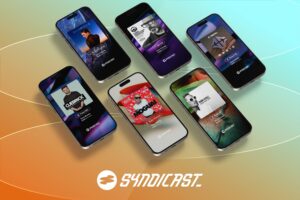
Before we dive deep into the mechanics of the industry, it is worth noting that the rules have changed. You no longer have to choose between “DIY emailing” and “bankrupting yourself for a plugger.” Syndicast offers a third option: a tech-driven platform that connects your music to broadcasters worldwide for a fraction of the cost. Check out how we democratize radio plugging here, or stick with us as we break down exactly how the industry works below.

Key Takeaways
- Radio is vital: It provides credibility, royalties, and reaches most listeners in a way streaming cannot.
- Pluggers have access: They hold the keys to the gatekeepers, but traditional routes are expensive and risky.
- Syndicast is the alternative: We offer a cost-effective, global, data-driven solution for getting your music played.
- Preparation is key: Ensure you have a radio edit and a professional brand before you pitch.
- Stop wasting money: Choose a music promotion strategy that fits your budget and career stage.
- Think Globally: Don’t limit your potential to your local area; use the internet and services like Syndicast to reach the world.
What Exactly is a Radio Plugger?
Before we decide if you need one, let’s define what they actually do. There is often a misconception that pluggers just send emails. If that were the case, anyone could do it.
In the simplest terms, a radio plugger is a bridge between you (the artist) and the people who decide what gets played on the radio (producers, heads of music, and DJs). Their job is to take your new release, pitch it to their contacts, and secure radio airplay.
A radio plugger’s role involves a mix of sales, strategy, and relationship management:
- Pitching: Sending your track to radio stations alongside a press release or “one-sheet” that highlights your story.
- Relationship Management: Leveraging years of networking with BBC Radio, commercial radio, and community stations. They know who likes rock, who likes pop, and who is looking for an alternative sound.
- Strategy: Advising on the right time to release and which single has the most potential.
- Feedback: Gathering reactions from producers – whether good, bad, or indifferent.
- Filtering: We have quality control to make sure that only good, radio-ready songs get sent over.
- Face-to-Face Engagement: Beyond digital outreach, pluggers conduct one-on-one personal meetings and live demos with heads of music and producers. This allows them to play your track in a focused environment, providing context and passion that an email alone cannot convey.
Historically, radio plugging was an exclusive club. It was expensive, guarded, and dominated by major label budgets. However, as the industry evolves, the definition of plugging is changing, and services like Syndicast are democratizing access to these closed-off channels.
The Landscape: Does Radio Still Matter?
You might be thinking, “It’s the 21st century. Everyone is on Spotify or TikTok. Do most people even listen to the radio anymore?“
The answer is a resounding yes.
While social media and streaming are vital, radio remains a powerhouse for music discovery. Streaming relies on algorithms and active searching; radio relies on curation and passive listening. When a song is played on the radio, it carries a stamp of authority. It tells the listener, “This is worth your time.”
Consider the habits of most listeners. While they might curate their own playlists for the gym, most listeners still consume radio during their commute, at work, or while cooking dinner.
Listeners Shazam music like, then listen to it on Spotify, Apple Music, and other streaming services. Their discoveries via radio become part of their usual listeing catalog. It is a companion medium.
Radio play offers distinct advantages over streaming:
- Credibility: Being playlisted on a reputable station proves you are a serious contender. It creates a “halo effect” around your brand.
- Royalties: Unlike the fraction of a penny you get per stream, radio airplay generates performance royalties (PRS/PPL in the UK).
- New Audiences: You reach listeners who fall outside your current social media echo chamber.
- Local Hero Status: Getting support from regional stations can build a loyal fanbase in your hometown before you expand to the world.
However, getting there isn’t easy. Station managers are inundated with thousands of tracks a week. This is where the debate about hiring help begins.
The Pros of Hiring a Radio Plugger
If you have the budget and the right track, a professional plugger can deliver a positive impact that is hard to replicate on your own. Here is why artists choose this route.
1. Access to Gatekeepers
You can’t just email the Head of Music at BBC Radio 1. Their email isn’t public, and even if you guessed it, your email would likely go unopened. Pluggers have these people on speed dial. They have spent years buying drinks, attending events, and building trust. When a trusted plugger sends a track, the producers listen because they trust the plugger’s taste.
2. Honest Feedback and Quality Control
Friends and family will tell you your music is great. A plugger will tell you the truth. They might tell you that your intro is too long for a radio edit, or that the production quality isn’t quite ready for commercial radio. This critique is invaluable. For example, a plugger might advise that your 4-minute ballad needs to be cut down to 3:15 to fit the strict formatting of daytime radio.
3. Targeted Campaigns
A good plugger knows which stations fit your genre. They won’t waste time pitching a death metal track to a smooth jazz station. They research the target audience and tailor the campaign to suit specific radio station playlists. They know that a track might work on BBC 6 Music but fail on Capital FM, and they adjust the pitch accordingly.
4. Creating a “Buzz”
Radio feeds off itself. If a plugger gets you a one off spot play on a smaller regional station, they can use that success to pitch to larger stations. This “story of success” helps build momentum, or buzz, around your release. Station B is more likely to play you if they know Station A has already taken the risk.
The Cons: Why You Might Want to Wait
Despite the benefits, hiring a traditional plugger isn’t always the right move, especially for unsigned artists with limited funds. The radio industry can be brutal, and there are downsides to the traditional model.
1. The Cost
Traditional radio plugging is expensive. We are talking hundreds, sometimes thousands of pounds for a single campaign. For an independent artist paying out of pocket, this is a massive risk. If you spend your entire budget on a plugger and get zero plays, that money is gone. You have to ask yourself: is this the best use of my limited resources?
2. No Guarantees
This is the hardest pill to swallow: You are paying for effort, not results. No ethical plugger can guarantee radio play. If a plugger promises you a spot on the BBC Radio A-List in exchange for cash, run away. That is “payola,” and it is illegal. You might pay a plugger £2,000 and walk away with nothing but a “thanks for letting us listen” email.
3. The “One Play” Wonder
Sometimes, an artist gets excited about a single play at 3 AM on a Tuesday. While cool, one play rarely translates to a sustainable career boost or a flood of new fans. To see real results, you need rotation – getting on playlists where the track is heard repeatedly.
4. The World is Bigger than FM
Traditional pluggers often focus on terrestrial (FM/DAB) radio in their specific country. But we live in a global market. Limiting yourself to local stations might mean missing out on listeners in Europe, the Americas, or Asia who would love your sound.
Do I Need A Radio Plugger? A Checklist
So, do I need a radio plugger? Before you open your wallet, ask yourself these questions:
- Is the music ready? Is the production professional? Is it mixed and mastered? Do you have a radio edit (usually under 3:30 minutes without swearing)?
- Is the branding ready? Do you have professional photos, a bio, and active social media channels? Radio presenters will Google you before playing you.
- Do you have the budget? Can you afford to lose this money without it destroying your ability to record the next song?
- Is the timing right? Radio works weeks in advance. If your song is coming out tomorrow, it’s too late for a traditional plugger. However, at Syndicast, we start campaigns from the release date and onwards – as this means it is able to be tracked by Shazam.
If you answered “No” to any of these, you might want to stop wasting money on high-end retainers and look for an alternative.
The Syndicast Solution: A Modern Approach to Radio Plugging
This is where Syndicast changes the narrative.
We recognized that the gap between “DIY emailing” and “expensive retainer pluggers” was too big. Independent artists needed a middle ground – a way to access professional music promotion tools and contacts without bankrupting themselves.
At Syndicast, we combine the reach of a major plugging firm with the efficiency of digital technology. We view music promotion as a holistic ecosystem, not just a series of cold emails.
1. Global Reach
Why limit yourself to the UK or US? Syndicast delivers your music to thousands of radio stations around the world. From specialist internet shows to major FM broadcasters, we put your music on the radar of decision making Music Directors globally. We deliver reach that manual emailing simply cannot achieve. We have seen artists from the UK blow up in Brazil, and artists from the US find a massive following in Germany.
2. Data-Driven Transparency
With traditional plugging, you often wait weeks for a vague report. With Syndicast, you get real-time data. You can see who downloaded your track, who streamed it, where and when it was played, and how many times. This allows you to understand your market better. For example, if you see a cluster of downloads from stations in Spain, you can run a targeted Facebook ad campaign in that region to support the airplay.
3. Cost-Effective Promotion
We believe artists shouldn’t have to gamble their life savings on a single release. Our model is designed to be accessible. You pay for the service and the platform access, ensuring your music lands in the inboxes of verified professionals. We level the playing field so you can compete with major labels.
4. Beyond Just Radio
We understand that radio is just one piece of the puzzle. That’s why we offer further support that aligns with the wider music industry. We look at the whole picture. Music promotion is about connecting the dots.
Practical Tips for the DIY Artist
Whether you use Syndicast, hire a traditional plugger, or go it alone, there are steps you can take right now to improve your chances of getting spun on the air.
Create a Perfect Radio Edit
Radio stations have strict time constraints. A 5-minute song with a 60-second intro won’t get played on commercial radio. Create a version that hits the vocals quickly, removes profanity, and sticks to a tight structure. The “intro” should be short enough for a DJ to talk over but engaging enough to hook the listener instantly. You can upload a Radio edit for general airplay, and an ‘Extended Mix’ for DJ mix shows or longer talk-overs.
Research Your Niche
Don’t spray and pray. Research stations that play your genre. If you make Grime, look for Grime shows on BBC Radio 1Xtra or specialist community stations. Use the internet to find the producer’s name. A personalized pitch shows you are paying attention. For example, mentioning “I loved your set last week featuring Artist X” proves you are a genuine listener.
Custom Artist Promos And Liners
At Syndicast, we offer the service of working with artists to create custom ‘liners’ – short audio intros for their music. We produce customizable versions where stations can insert their unique tags and Station IDs to make them more personal and recognizable.
Build a Story
DJs need something to say about you before they play the track. “Here is a song by Dave” is boring. “Here is a song by Dave, who recorded this track in a haunted lighthouse,” creates intrigue. Give them a hook. Media outlets love a narrative.
Leverage Social Media
Radio creates fans, but fans also create radio opportunities. If you can show a station that you have a buzzing following on Facebook, Instagram, or TikTok, they are more likely to take a risk on you. Stations want to be popular; they want to play what people are already talking about.
If you have a lot of local plays, this also gives you leverage with local venue owners and promoters to put on gigs.
Consistency is Key
Don’t get discouraged by silence. The radio industry is slow. Keep releasing music, keep refining your sound, and keep pitching. Often, it’s the third or fourth single that breaks through.
You need to build up your profile in the radio and music world. If people keep seeing your name and hearing your music, eventually it sticks. There are natural steps and stages of evolution for artsits. You start small (not doing stadium tours that won’t sell). You slowly build up as you grow a reputation and conenct with fans.
The Verdict: To Plug or Not to Plug?
So, let’s circle back to the start: Do I need a radio plugger?
If you are a major label artist with a massive budget and a need for immediate, high-pressure impact on national radio, yes, hire a traditional team. Syndicast is often used by Major labels to test out their music to provide rapid reach. Then they reach out to local pluggers.
If you are an independent artist just starting out, handing over £2,000 to a stranger is risky. The traditional model is often too expensive and too opaque for artists building their careers from the ground up.
However, doing nothing means your music gathers dust. You simply cannot rely on the algorithm alone. You need promotion. You need access. You need a system that puts your music in front of the right people at the right time.
Syndicast offers the perfect hybrid solution. We provide the professional infrastructure and the global contact list, giving you the power to promote your music effectively without the prohibitive costs of old-school plugging. We help you cut through the noise, connect with listeners, and turn a new release into a career milestone.
Ready to get your music played?
Don’t let your masterpiece sit on a hard drive. Join the thousands of artists using Syndicast to hit the airwaves. We give you the tools, the contacts, and the data to take control of your radio promotion.
Click here to start your campaign with Syndicast today and get your music on the radio.





 English (UK)
  Español
  Deutsch
  Français
  Italiano
  Magyar
  Polski
  Português